6 Tips to Navigate Holiday Gatherings as a Vegan
As heartwarming and exciting as the holidays are, there’s no doubt that this time of year also comes with its share of high expectations and social obligations and can even shine a spotlight on existing strains in our closest relationships. Add veganism into the mix, and suddenly, dodging religion and politics feels like a (dairy- and egg-free) cakewalk.
As a vegan since I was 16 years old, among a family of no other vegans or even vegetarians, I have a great deal of experience gracefully and successfully navigating the holidays, even when I’m the only vegan at the table. This guide combines practical tips, mindset shifts and thoughtful perspectives to help you enjoy the holiday season while allowing your values to remain a positive reflection of your character, as they should be.
Tip #1: Don’t Expect too Much
Starting off strong! This may be an unpopular take–but it’s realistic. Depending on many factors of any particular gathering, there truthfully may not be much thought at all put into the availability of plant-based options. Accounts of personal experiences of vegans vary greatly; some hosts of omnivorous gatherings take it upon themselves to make sure everyone is taken care of–well-fed and feeling comfortable and included enjoying a meal alongside all the other guests. Many non-vegan hosts even see the presence of a vegan attendee as a fun opportunity to explore plant-based eating for themselves or other guests, and try something new! However, other get-togethers may prove more challenging, which is where my guidance comes in.
In many cases, expecting others to make vegan food for you in gatherings that aren’t specifically plant-based often results in disappointment. The host may already have a lot on their plate and feel pressured or stressed putting on the event itself, and learning a new skill that may include new-to-them cooking methods or ingredients they’re unfamiliar with could be even more overwhelming. It’s best to assume that plant-based options will be minimal and accept that you may need to take initiative with your meal.
If you find yourself looking at this with a mindset of ‘poor me, no one considers that I’m vegan,” catch yourself, flip the script and instead, look at it like you made the connection to be vegan when most of the world has not. You get to actively participate in and contribute to the cause you’re most passionate about in the world every single day. Not every cause is as easy to contribute to and be a part of on such a regular basis. Every day, you are seizing the opportunity to support the vegan movement and at the same time boycott all of the ethical dilemmas, environmental destruction, and even injustices in narratives prioritizing profit over public health that come with animal consumption and use in its various forms.
Regardless of your personal journey or what your exact values look like, you are blessed that you made the connection and have the conviction to align your actions with your morals. Not everyone does.
*True story: One year for Thanksgiving, still in the early days of my vegan journey, my aunt found for me a recipe for a vegan Tofu-Based Pumpkin Pie. We gathered the ingredients days before and made it together on Thanksgiving. It turned out great, and an added plus was that it was fun to get to bake a pie with my aunt. It’s my favorite vegan pumpkin pie recipe even now, and I actually still make it for Thanksgiving! (Or even in the middle of summer if I’m having a craving!)
Tip #2: Plan Ahead
So what can you do with your “scaled-back” expectations and going into any events in question maybe even a bit blind? Plan ahead, and plan well!
It doesn’t have to be a big project, but preparation is your best friend. Contact the host ahead of time to ask if you can bring a vegan dish for yourself, or even enough to share with others. This approach ensures you’ll have something delicious to enjoy and others may even be interested in trying something new. Plus, you have the freedom to be creative and wow a crowd with your contribution!
When preparing a vegan dish to bring to a get-together of omnivores, be prepared for a tough crowd. I’ve brought dishes to such events and had every reaction you could imagine; some occasions, hardly anyone even tried my offering, but I knew if they did, they would love it. Oh well, more for me to have back at home. Sometimes several people would try it, maybe their minds weren’t blown, but it was “good for vegan food,” and for whatever reason, I’ve noticed many people find it acceptable to be overly and outwardly critical (even insulting) of another person’s cooking if the dish in question is vegan. The principles of proper etiquette still apply, even in plant-based cooking.
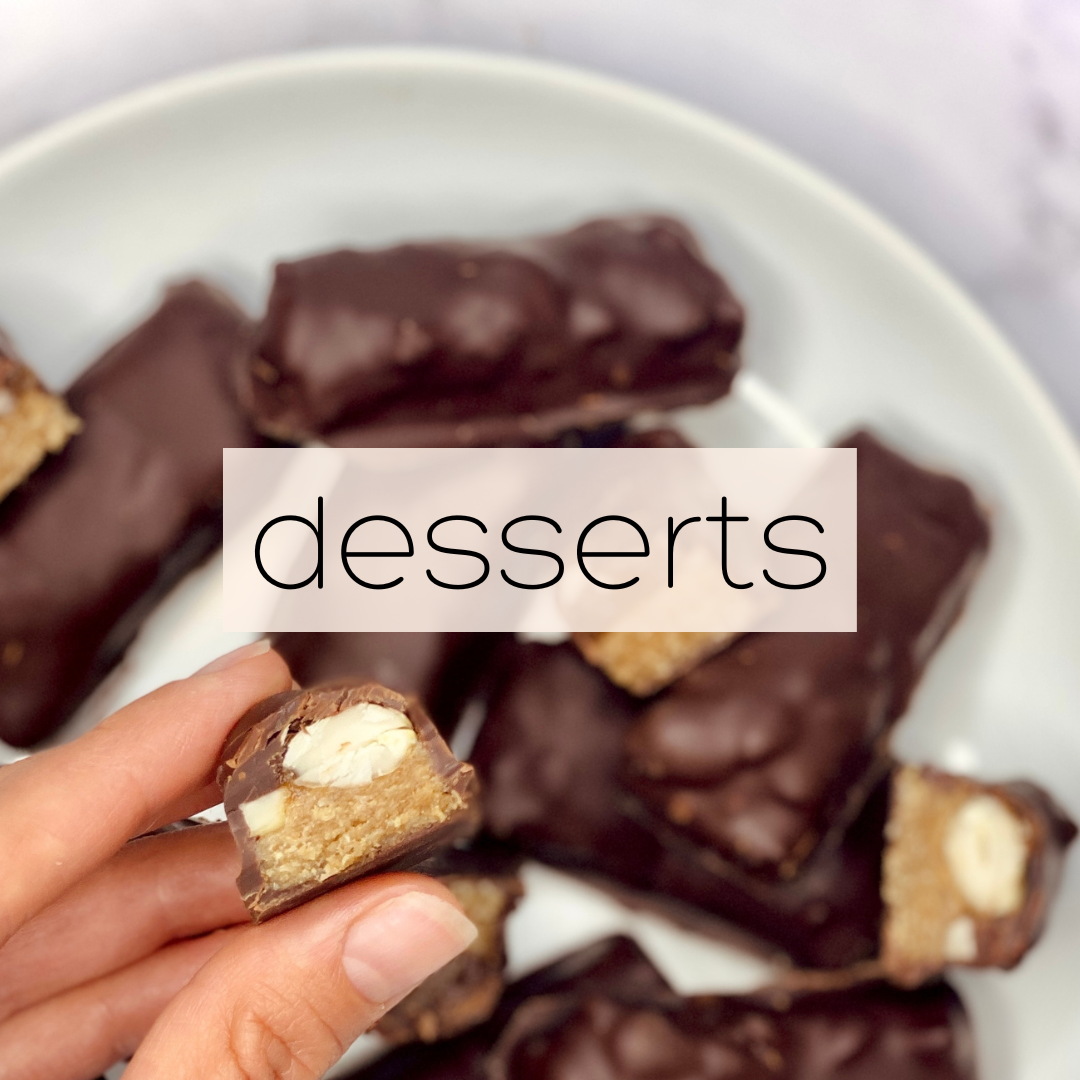
However! All of this to say, as someone who has plenty of experience maneuvering these social situations for years, I’ve now got some great pointers to share with others. It’s been a long time since I’ve had negative (or even neutral) reactions to my homecooked dishes at omnivorous gatherings. I’ve found what types of dishes people love, especially non-vegans. It’s fun to impress the non-vegans, so I bring my A-game with a few recipes on rotation that I’m most confident about. Hands down, my best recipe that everyone adores is for my Matcha Cheesecake Bars.
*True Story: I took 3 giant batches of my Matcha Cheesecake Bars to a Friendsgiving gathering of nearly 200 people (it was a vegan event, but still) and had the ingredient list and my name written on an index card with them, nothing else. Afterwards, someone actually searched the internet for this recipe, found me on Instagram and told me about how life-changing these delicious little bars were!
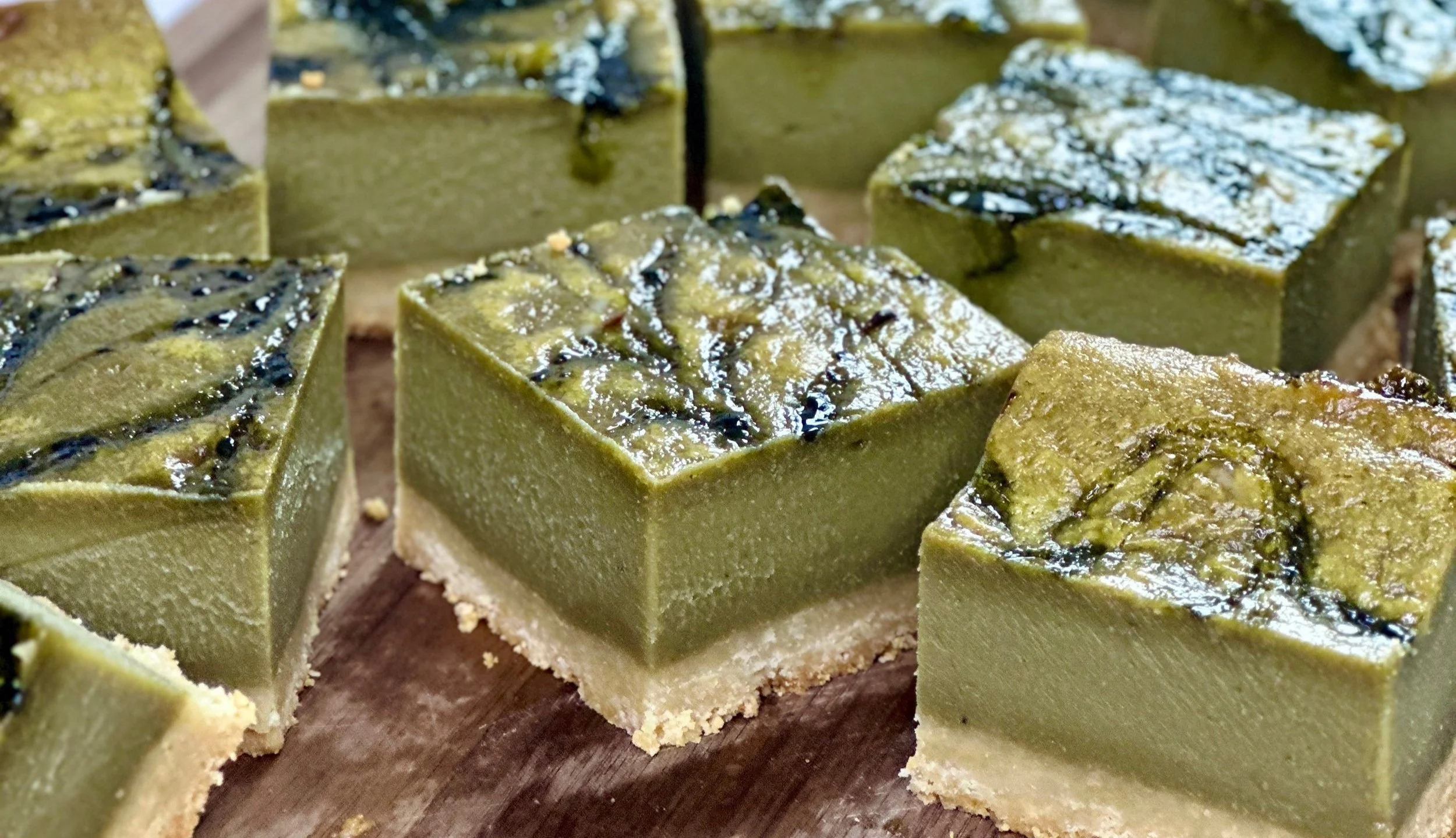
Matcha Cheesecake Bars
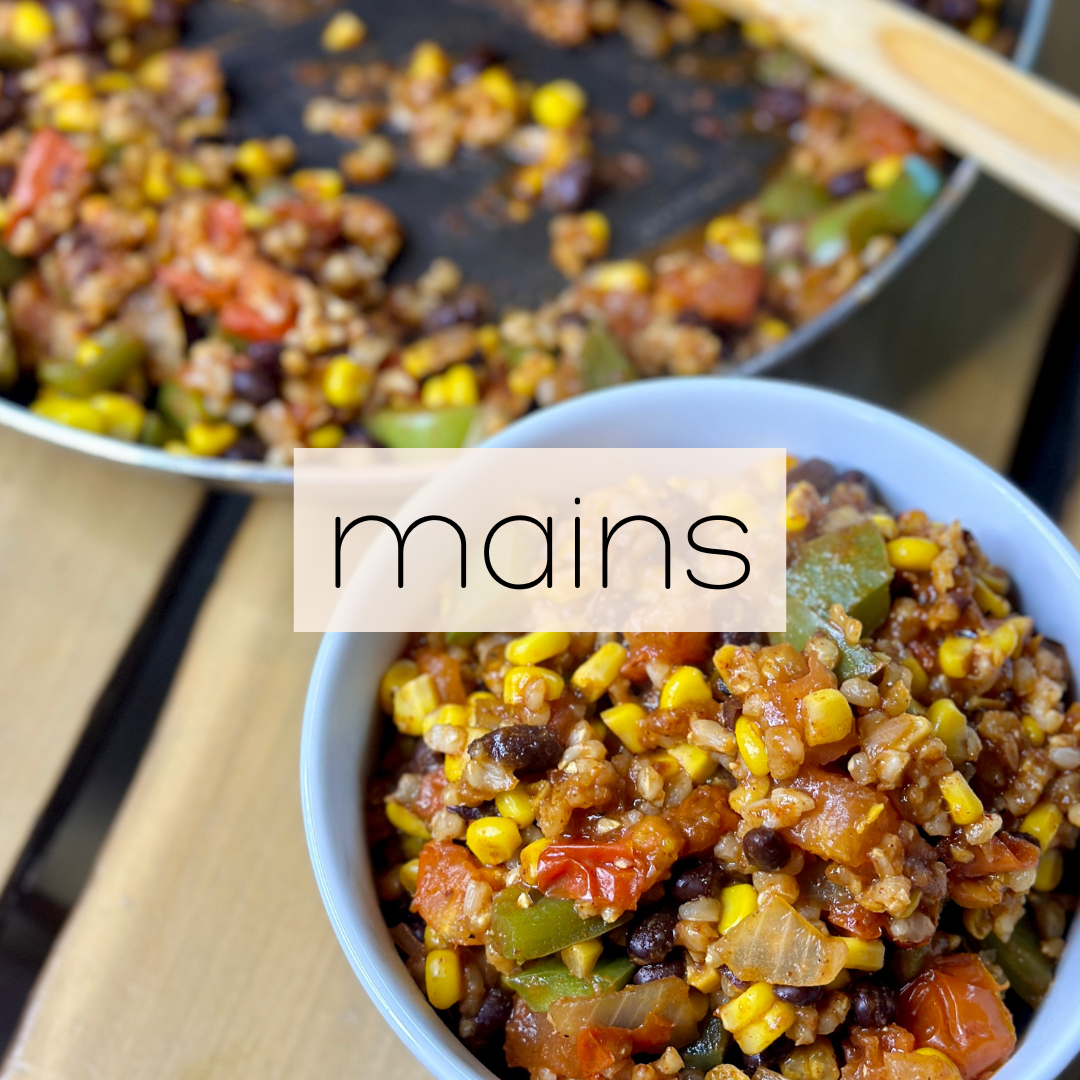
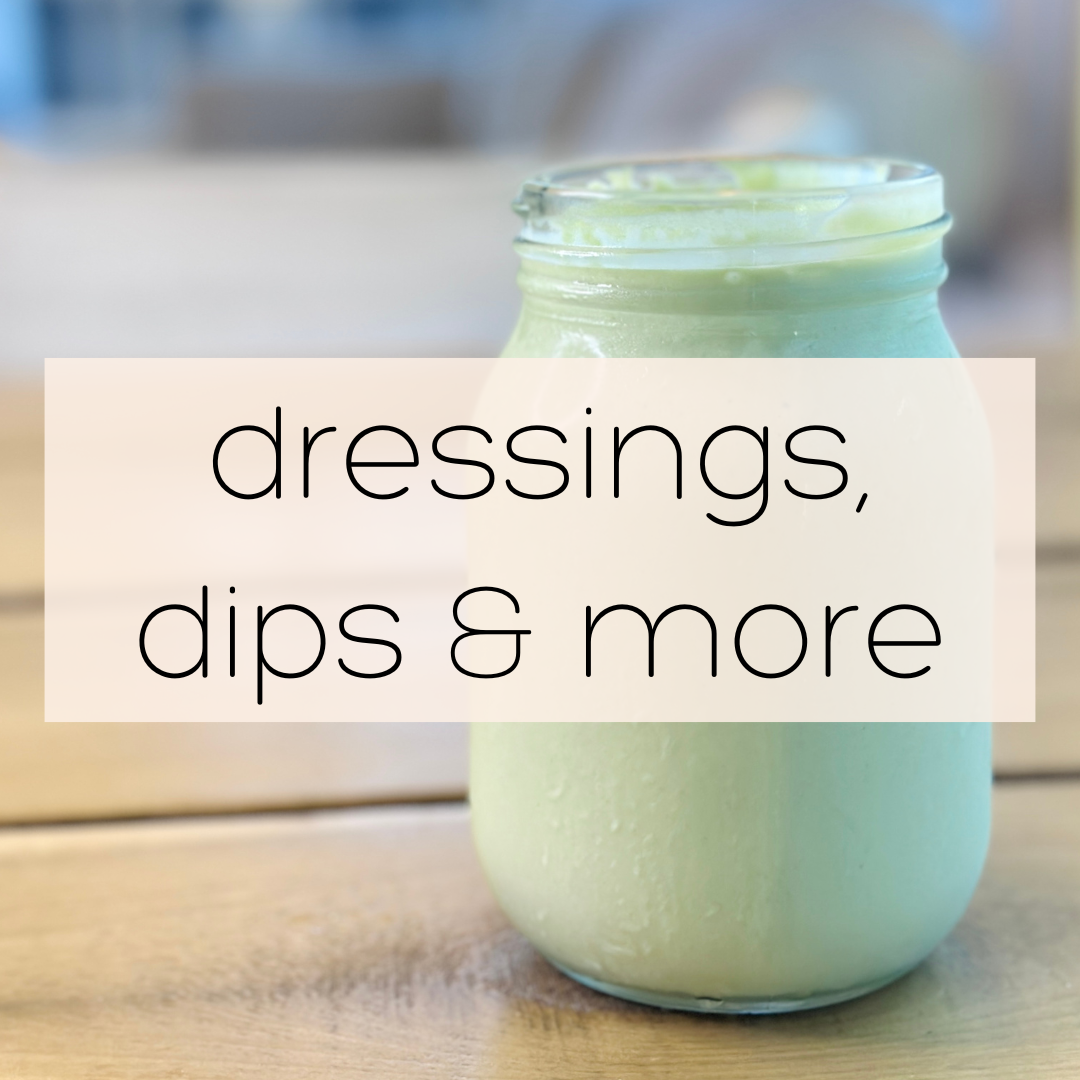
Some of my other recipes that are crowd favorites are my Rainbow Quinoa Salad, Easy Vegan Chili, and even my Cilantro Lime Dressing to contribute to salads, burritos, tacos and more. I have non-vegan friends in Ohio that make the Cilantro Lime Dressing themselves and may be eating it from the jar as we speak!
As another way to ensure you’re well-prepared, eating something before a food-centered gathering guarantees that you won’t be left hungry (and then attempting to determine the earliest you can depart without offending anyone).
*True Story: When I was still living in Ohio, we had extended family visiting from California. Ohio family and California family all met up at my aunt’s, and plenty of food had been prepared. At this point I had been vegan for around 10 years, so I was used to bringing my own dishes to get-togethers where food was being served. (After 10 years, you’re also the “resident vegan” of the family, so people expect you to bring something plant-based and typically even encourage it.) I brought my tried and true Rainbow Quinoa Salad recipe and (almost) everyone tried it; everyone who did try it absolutely loved it, and they had many questions about how I prepared my quinoa salad and what was in it, as plant-based food was still a rather unfamiliar concept to them!
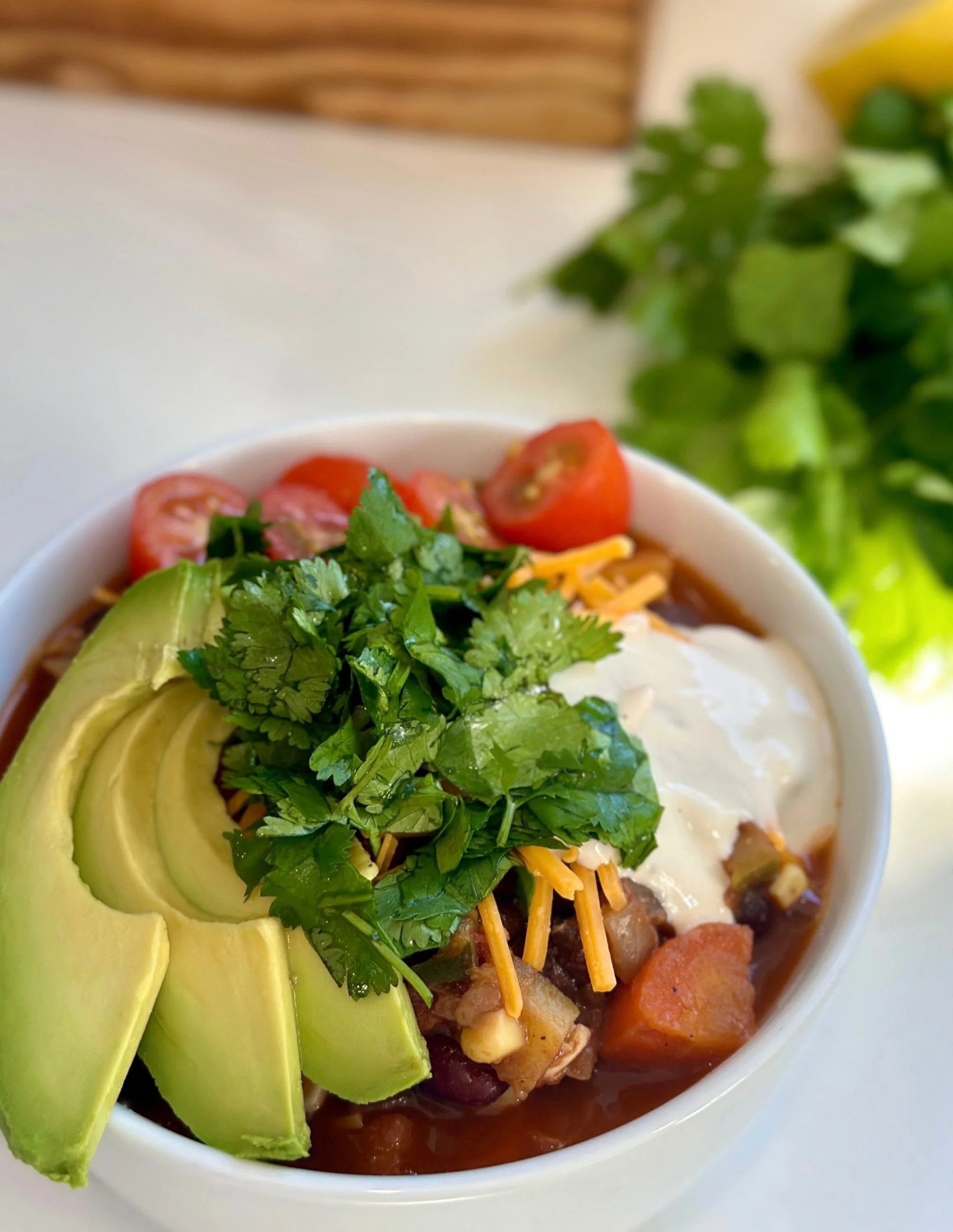
Easy Vegan Chili
Tip #3: Explore the Menu
Holiday meals often feature a variety of side dishes–many of which are vegan or can easily be made so. Don’t be afraid of offending when you stick to just the vegan-friendly sides. After all, people rarely ever try every dish at every get-together, so you don’t need to feel awkward for picking and choosing a bit.
If you’re unsure about a dish it’s perfectly fine to politely ask about the ingredients! Although, the environment can often be a determining factor in deciding whether you want to initiate such a conversation that could turn into an investigation of product packaging and ingredient lists. Even being vegan as long as I have, sometimes I’ll still choose to skip the ingredient inquiries altogether and simply forgo partaking in a questionable dish, always treating the food item as if it has animal products in it if I’m unsure.
If your host is aware that you’re vegan, they (or other guests) may even point out the available plant-based dishes for you as a way to be helpful and kind. While usually their hearts are in the right place, I would still be wary of these efforts unless you’re sure that the item offered is vegan. Those who are less acquainted with the principles of plant-based eating may unintentionally lead you to items that do, in fact, have animal products in them. These instances take place, in my experience, often enough. In these situations it’s important to simply handle them with grace and sensitivity, and a polite smile and then inquiring more about the exact ingredients can go a long way and resolve the issue completely. If the item in question isn’t vegan after all, another smile, using the moment as a teaching opportunity by briefly stating why the item isn’t vegan, and moving on to another topic is all that’s needed.
Tip #4: Protect Your Peace
You don’t have to engage in discussions that make you uncomfortable or aren’t productive, and there are plenty of unproductive debates around veganism (or any topic for that matter).
Remember, some people want to learn and some just want to argue. It’s important to recognize the difference between the two, although oftentimes it may take getting deep into an interaction before you realize what at first seemed like genuine curiosity, was really just someone trying to poke holes in your views and values.
If a conversation feels uncomfortable, utilize responses such as “I’d rather talk about something else,” or “I’d love to discuss this with you at a more appropriate time, why don’t you text me your questions and we’ll discuss in-depth another day.”
I’m a big believer in choosing your battles in life, and I greatly owe my vegan journey to that. It’s important to accept that not every conversation about veganism is going to end in the other person agreeing with you, admitting fault, or even understanding where you’re coming from at all.
If someone is genuinely curious and open to understanding, that’s an opportunity to share your experiences and knowledge. Even hearing their doubts about veganism is an opportunity for you to learn more as well. Non-vegans teach me so much; what influences and shapes their dietary and lifestyle choices, the factors they value most, where their concerns are focused, and even areas where the vegan movement and message could be improved to avoid confusion and misunderstandings.
However, your vegan journey is personal to you, and you don’t need to be the loudest or most confrontational to make an impact as an activist in your own way. Protecting your peace is of the utmost importance, and you don’t have an obligation to strain your relationships over differing perspectives (unless you choose to).
It is not your responsibility to turn everyone onto veganism and you don’t have to discuss anything you aren’t comfortable with. If the conversation at any point starts to feel combative or dismissive, or you even just want to eat a meal in peace with loved ones and not discuss heavy topics, it’s alright to pull out of the conversation at any point and utilize the responses mentioned above.
True Story: When I first went vegan I was very shy about it. I became vegan simply because I didn’t want to be the reason any animals suffered or died. But I was not an outspoken child in general, I was always doing my best to not draw any attention to myself, and the sudden, frequent inquiries about my new choice to be vegan unnerved me. Becoming vegan did not magically make me become outgoing or extroverted, no matter how passionate I was about the cause I had newly found. I was still the same person, and just making decisions for myself to do what personally felt right for me. This timid mentality continued for several years into my vegan journey, even into my early 20’s. It was (non-vegan) friends of mine who convinced me to start an Instagram account for pictures of my weird but delicious vegan food creations. My answer was “no way” for years, but finally I decided to give it a shot. When I started my vegan Instagram account, it was a faceless and nameless account for a long time.
I push myself outside of my comfort zone as much as I can these days, but there are still forms of public expression and social engagement that I’m not comfortable with. That’s why when I see other vegans who are very private about their vegan journey, I understand them. There is a place for all types of activism, and for many people, simply living by example is the best way to align your actions with your values, everything else is just a bonus.
Tip #5: If You’re Open to Answering Questions, Prepare Your Answers
Whether you’re a seasoned vegan, you’ve newly made the leap to veganism or you’re just moving towards more plant-based foods with less animal consumption, chances are you will have curious omnivores inquiring about your choices. This section is not about winning debates, but equipping you to be a knowledgeable resource for those who have sincere questions and would really like to learn.
Researching just a bit of basic details about the most common topics surrounding veganism can go a long way. Some great places to start are vegan protein/B12/calcium sources, vegetarian vs vegan ethics or the environmental impact of animal agriculture. You can write down answers for yourself beforehand, even if you throw the paper away right after, you’re more likely to remember something if you write it down. This is a trick I use in daily life.
These are some of my go-to responses and easily digestible nuggets of information I’ve gathered over the years:
Them: I couldn’t be vegan, I need my protein. Response: How many grams of protein do you get in a day now? (The recommended daily value of protein for adult men is 55g and women is 45g, non-vegans rarely know this.) This opens a conversation into how the meat industry has marketed itself as the end-all-be-all protein source, when that’s actually not the case at all.
Them: Red meat is bad, but isn’t chicken a healthier option? Response: Loaded with sodium and contains dietary cholesterol.
Them: What about fish? Response: Fish is full of saturated fat and mercury, and again, cholesterol.
Them: Isn’t veganism expensive? Response: The most affordable foods on the planet are fruits and vegetables, grains and legumes. If you’re eating only the expensive, gourmet meat and dairy alternatives, sure, it adds up. There are expensive animal-based foods, too. You can choose to buy pricey or more cost-effective vegan foods.
Them: But vegan junk food is so unhealthy. Response: So is non-vegan junk food. You can be any kind of vegan you want; from whole food plant-based and super healthy, to a junk food vegan. Plus, vegan junk food still doesn’t contain dietary cholesterol, and every single animal product does. Additionally, animal protein is linked to cancer and disease, no matter the specific type of food product. Vegan junk food is still a step healthier than animal-based foods.
Them: But our prehistoric ancestors ate meat. Response: Yes, they did. Out of necessity because especially in certain parts of the world, they couldn’t grow crops year-round. And they didn’t have the ability to have crops from warmer climates shipped to them like we do now. Our ancestors also died at 30 years old. Let’s progress past the detrimental “caveman diet.”
Them: But rodents and insects and such are killed in crop production, so vegans are responsible for those deaths.
OH BOY. This is the one I actually get the most. Response:
-
There are 70 billion animals raised and killed for food every year, and they all eat the crops that we produce as well. There are only 8 billion humans on earth. Compare 70 billion farm animals to 8 billion humans, and the average pig weighing 300lbs, the average cow weighing 1,300lbs, and the average human weighing 150lbs, and it’s clear that the vast majority of crops are grown and harvested to feed livestock raised for human consumption.
-
The numbers: 40% of grain grown worldwide is used to feed livestock. 80% of all soy is used to feed livestock, and only 6% of soy is for direct human consumption.
-
Veganism isn’t about perfection, it’s about causing the least amount of harm possible. You’re still responsible for less deaths by forgoing the consumption of animals.
Learning all of this information, and then being able to eloquently share and educate others with it, takes time and comes with practice. However, you actually don’t have to have every answer. Especially early on in your vegan journey, sometimes non-vegans will expect you to know everything about veganism since you’ve made the switch. Sometimes just realizing animal consumption causes suffering and veganism is a possibility; that it’s even healthy, affordable and relatively easy, is all you need to get you started on that path.
If you’re asked a question that does leave you stumped it’s okay to say, “You know what, that’s a great question. I’m going to look into it and I’ll let you know what I find out.” It’s better than trying to have an answer to absolutely everything, and even unintentionally sharing misinformation.
True Story: In my eighth year of veganism I took Wellness Forum Health’s Diet and Lifestyle course (essentially a plant-based nutrition course) led by Dr. Pam Popper, who’s been interviewed in most notably the Forks Over Knives documentary and has written several books on plant-based nutrition. The course went far in-depth about everything from the keto diet to vegan pregnancy and what “pre-diabetic” really means. I decided to take this course for several reasons; I wanted to increase my credibility and build my resume, but I also truly wanted to learn more about plant-based diets to have more knowledge to share with the public. It was a great way to invest in myself, increase my expertise and in turn, increase my value to others.
Tip #6: Embrace the Unexpected Victories
Though the holidays often come with their own challenges, they also create many opportunities unique to only this time of the year. You may find unexpected moments of connection, growth, and understanding–and conversations around veganism are no exception.
The holidays are a perfect opportunity to showcase delicious plant-based food to those who may be unfamiliar or even skeptical of veganism. Sometimes it takes showing up and practically placing an irresistible-looking vegan dish in front of someone for them to try it! You may spark interest in someone who has never considered vegan food, and you could even inspire conversations that lead to a deeper understanding of your values, which in turn may bring others to the realization that they have similar values, as well. They may feel empowered by the example that you’re setting, and combined with your practical, no-hassle experience with veganism yourself (showing how easy it can be!) a seed could be planted in their minds and hearts to see what veganism is all about.
Additionally, sometimes we can be the ones who are pleasantly surprised. Many of us have non-vegan friends and family that are respectful, caring and who love us. While veganism is oftentimes uncharted territory for individuals who have never considered it, it wouldn’t be unheard of for hosts of gatherings to make a thoughtful effort to include vegan options on the menu. They may make plant-based recipes for the occasion themselves, or make small, easy tweaks to the table like offering dairy-free butter or milk. This could also include checking ingredient lists of available dishes, or even simply highlighting your contributions to the table to encourage others to try your plant-based dishes.
It’s often surprising how many people are quietly curious about veganism at social gatherings. You may find that someone who is hesitant to bring it up in front of a parent, spouse, or other peers will approach you one-on-one, eager to talk about their interest. In many cases, these individuals have been silently contemplating making changes but aren’t sure where to begin. Your presence may be the catalyst that gives them the courage to voice their thoughts, ask questions, and even explore a new path.
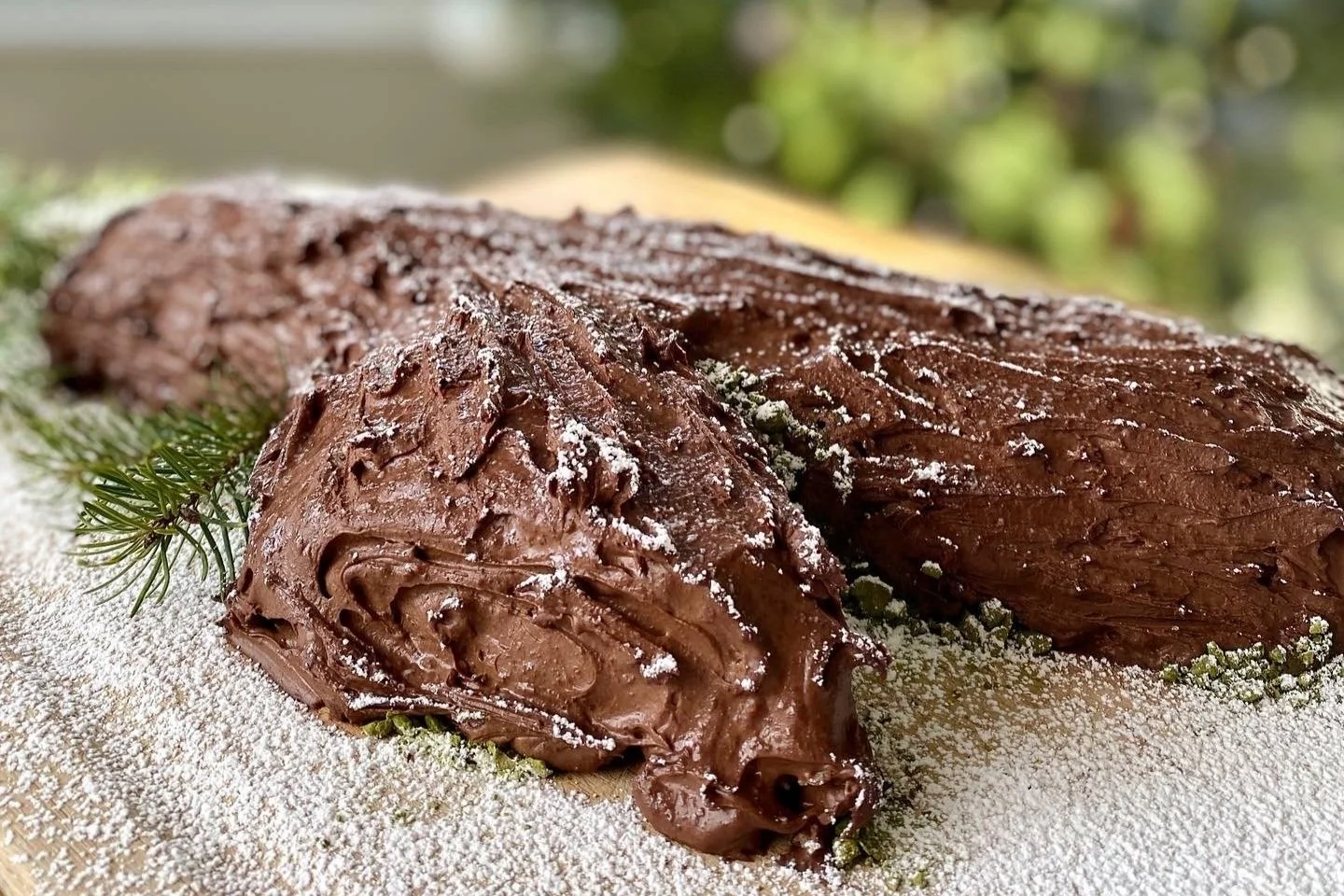
Vegan Chocolate Yule Log, based loosely off the recipe by Crumbs & Caramel
If you’re looking for additional inspo for dishes to contribute to your holiday celebrations, be sure to check out my Recipes page or even this Vegan Chocolate Yule Log recipe by Crumbs & Caramel!

Stefanie is a passionate vegan and animal advocate. She creates vegan recipes for all palates and resides in Los Angeles with her adorable puggle, Zeus.